

I didn’t think much about backup power until one random Tuesday evening when my fan stopped mid-spin and the WiFi died while I was halfway through uploading an article. Classic timing. The inverter at my place groaned like it was 90 years old and then gave up. That was the moment I started seriously looking into a power backup battery for home and yeah, it’s one of those things you don’t care about until you really, really do.
Power cuts are funny like that. Everyone pretends they’re used to it, especially in Indian cities, but the moment Netflix buffers or your phone hits 12 percent, panic sets in. I’ve seen grown rush around like headless chickens during a two-hour outage. And don’t even get me started on work-from-home folks. One outage and Slack messages start sounding emotional.
Why Backup Power Suddenly Feels Non-Optional
There was a time when power cuts meant lighting a candle and telling ghost stories. Now it means your router is dead, your fridge starts sweating, and your phone becomes the most important object in the house. I read somewhere that average urban households now run at least 10 to 12 devices daily. That number quietly jumped in the last five years and nobody really talks about it.
A decent backup system isn’t about luxury anymore. It’s more like insurance. You hope you won’t need it, but when you do, it saves your sanity. People on Reddit and even Twitter keep ranting about how old-school inverters don’t cut it anymore. Half the complaints are about noise, overheating, or batteries dying way earlier than promised. That’s where newer battery tech quietly stepped in.
Understanding Batteries Without Making It Boring
Think of a home battery like a water tank on your terrace. Electricity flows in, gets stored, and when the municipal supply fails, you still get water. Simple logic. Older batteries were like leaky tanks. They worked, but you constantly had to check water levels, clean terminals, and pray they don’t die during summer.
Newer lithium-based systems are more like sealed bottles. No topping up, no weird smells, and way more efficient. Lesser-known fact, lithium batteries can be up to 40 percent more efficient in energy usage compared to traditional lead-acid ones. I didn’t know that until I fell into a late-night YouTube rabbit hole watching teardown videos. Weirdly satisfying stuff.
The Cost Conversation Nobody Likes Having
Let’s be honest, price is where most people hesitate. I did too. A good backup setup isn’t cheap upfront. But here’s the thing people don’t calculate properly. Lead-acid batteries usually last three to four years if you’re lucky. Lithium options can stretch to eight or even ten years with decent usage. That’s basically buying one good pair of shoes instead of replacing cheap ones every year.
A friend of mine, total jugaad type, ignored this advice and went cheap. Two summers later, his battery capacity dropped so bad it couldn’t even run two fans properly. He jokes about it now, but you can hear the pain in his laugh.
Solar, Batteries, and That Green Guilt
There’s also this quiet shift toward solar-backed systems. Not everyone installs panels, but more people are planning for it. Online chatter around clean energy has gone from nerd-level to mainstream. Even housing societies are discussing it in AGMs, which honestly shocked me.
A battery that can work with solar later gives flexibility. You don’t have to go all-in today. You just future-proof a bit. And yeah, it feels slightly good to know your binge-watching isn’t completely killing the planet. Slightly.
Noise, Heat, and Other Small Annoyances That Matter
One underrated thing people forget to mention is noise. Traditional inverters hum. Some straight-up vibrate like they’re possessed. Modern battery systems are quieter, sometimes dead silent. If you live in a small flat, that matters more than spec sheets.
Heat management is another boring but important topic. Batteries hate heat. Indian summers don’t care. Better-designed systems manage temperature internally, which quietly extends lifespan. No one brags about it, but it’s doing the heavy lifting in the background.
My Slightly Regretful Learning Curve
I’ll admit, I almost bought the wrong system because I didn’t calculate load properly. Thought I was being smart. Turns out fans, router, fridge, and laptop together are more demanding than they sound. Felt stupid for a day, corrected it, moved on. That’s part of the process, I guess.
People online love flexing their setups, but rarely talk about mistakes. Sizing matters. Overspending hurts. Underspending hurts more.
Where Things Are Headed
If you look at market trends, home energy storage is growing faster than EVs right now. That surprised me. With unstable grids and rising electricity costs, people want control. A power backup battery for home is slowly becoming as normal as having a washing machine. You don’t discuss it at dinner, but everyone has one.
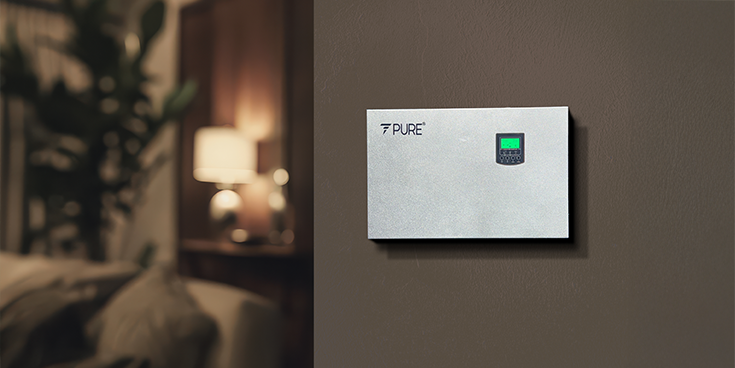
There’s also a subtle design shift happening. Batteries don’t look industrial anymore. Sleek boxes, wall-mounted units, clean displays. Because apparently even backup power has to match your interior now.
Ending This Where It Started
That Tuesday blackout taught me more than any spec sheet ever could. Power isn’t just power anymore. It’s comfort, productivity, and sometimes mental peace. If you’re even slightly tired of outages messing with your routine, looking into a power backup battery for home isn’t overthinking it. It’s just adapting, like we always do. And next time the lights go out, you might just shrug and keep typing.
