
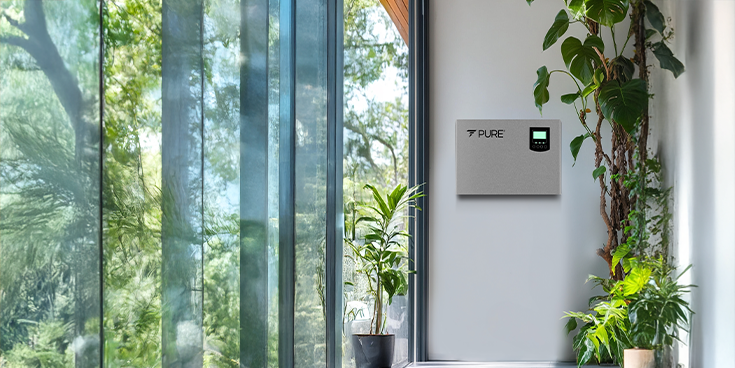

I still remember one evening last summer when the power went off right in the middle of a Zoom call. Camera froze, fan stopped, WiFi light went dead. That silence after electricity disappears is weirdly loud. In India especially, power cuts are like uninvited relatives — you know they’ll come, just don’t know when. That’s where a power backup battery for home suddenly stops sounding like a fancy upgrade and starts feeling like basic survival gear. I didn’t think much about it earlier, but after that call I started digging into options like this power backup battery for home and yeah… wish I did it sooner.
Here’s the one I kept coming across while scrolling late night forums and WhatsApp groups: power backup battery for home.
Why Power Backup Suddenly Feels More Important Than Ever
Earlier, power cuts meant candles, maybe some gossip with neighbors. Now it’s different. Everything depends on electricity. Work, kids’ online classes, fridge full of groceries, even basic phone charging. No power feels like the house just went offline.
One lesser-known thing I read somewhere — urban Indian households face micro power interruptions more than long outages. Like 5–20 minutes cuts, multiple times a day. These short cuts are actually worse for appliances. Your inverter barely kicks in, router restarts, AC resets. It’s annoying.
On Twitter , people keep joking about “India’s national sport: guessing when power will come back.” Funny, but also kinda sad. That online chatter is real frustration. And many comments say the same thing: inverter + battery setups are outdated or too messy.
Inverters, Generators, and Why They Feel Like Old Tech Now
Traditional inverters are like that old scooter your uncle still loves. Reliable, but noisy, bulky, and needs too much attention. Battery water checks, wiring drama, separate installation. Generators? Don’t even start. Fuel costs, noise complaints, pollution guilt.
A modern power backup battery for home feels more like upgrading from a keypad phone to a smartphone. Same purpose, way smoother experience. Plug-and-play, compact, cleaner. Some even look decent sitting in a corner, which is rare for anything electrical.
One interesting stat I came across in a Reddit thread: nearly 60% of first-time backup buyers regret choosing low-capacity systems because they underestimated usage. Fans, WiFi, lights seem small but add up fast. So capacity matters more than people think.
How I Explain Power Backup to My Parents
I told my dad this analogy. Think of electricity like water supply. When municipality stops water, you rely on your overhead tank. You don’t question it, you just expect water to be there. A power backup battery for home is basically that tank. You don’t want to run downstairs every time water stops, right? Same logic.
And unlike older systems, newer batteries don’t need baby-sitting. No weird smells, no scary sparks. That alone convinced my mom.
Living With Backup Power Is… Boring
Once you have a proper setup, you forget about it. And that’s the best part. No panic during storms. No rushing to finish cooking before power goes. No data loss while working. Boring reliability is underrated.
I read a comment somewhere saying, “Best tech purchases are the ones you stop noticing.” That hit. A good power backup battery for home does exactly that. It just quietly works.
Also small detail many people don’t talk about — voltage fluctuations. These are silent killers for electronics. Backup systems with proper regulation protect devices. Not dramatic, but saves money long term.
The Clean Energy Angle
I’m not super eco-warrior type, but cleaner energy is hard to ignore. Batteries paired with solar options are becoming common. Even if you don’t install solar now, choosing a system that supports it later makes sense.
Online sentiment has shifted too. Earlier, solar talk felt niche. Now it’s practical. People want lower bills, fewer outages, less dependency. Backup batteries fit right into that mindset.
A fun thing I noticed in Facebook housing groups — people flex their backup setups like they used to flex new TVs. “Ran full night power cut without even noticing.” That’s the new status update.
What People Usually Get Wrong Before Buying
Most people ask “how many hours backup?” instead of “what will I run?” That’s a big mistake. Hours mean nothing without load calculation. One fan vs three fans plus fridge is totally different story.
Another thing — cheap batteries look attractive but degrade fast. Then you’re stuck replacing them in two years. Spending a bit more upfront saves headache.
And installation quality matters. Even best battery will fail if wiring is bad. This is where established brands quietly win, because support actually exists.
Why I’d Personally Choose This Route Again
If I had to do it again, I’d still go with a power backup battery for home type solution instead of patchy inverter setups. Cleaner, simpler, future-ready. Less shouting at electricians. Less explaining things to family members again and again.
Power cuts won’t magically disappear. Climate issues, infrastructure load, demand spikes — all real. Waiting for “24/7 power” is like waiting for traffic-free roads. Better to adapt.
