
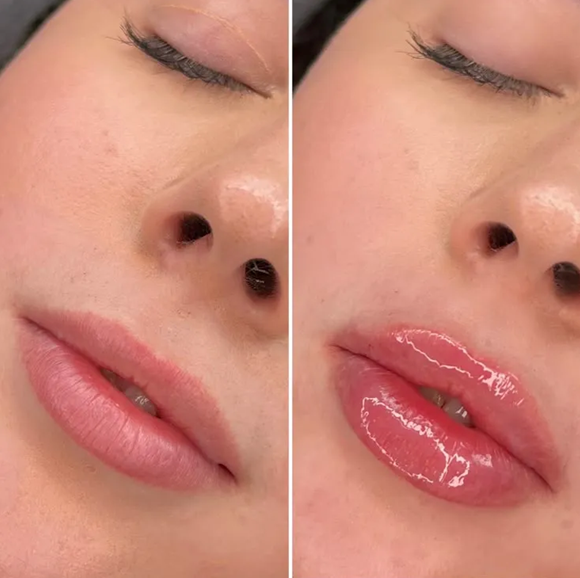

Butterfly lips before and after results: Evolution of a trend
The world of lip augmentation frequently introduces specialized techniques designed to alter facial proportions with high precision. Among these methods, a specific approach inspired by stylized symmetry has gained substantial popularity for its ability to create a striking, vertically crisp contour. This method focuses heavily on lifting the central part of the upper lip, defining the Cupid’s bow, and keeping the profile remarkably flat. Patients seeking a sharp, photogenic definition often choose this option to achieve a stylized, winged appearance that emphasizes the lip borders. Examining standard butterfly lips before and after photographic documentation demonstrates how this procedure redirects focus to the center of the smile, making the upper lip appear elegantly elevated. The final look delivers a sharp, structural definition that completely reimagines traditional lip volume.
Anatomical features of the butterfly injection technique
Achieving this specific shape requires a departure from classic volumizing protocols, which often distribute filler horizontally across the lip body. The butterfly method relies on precise vertical micro-injections of hyaluronic acid gel into the superficial layers of the vermilion border. During the procedure, specialized medical tape or strips are frequently applied to the skin above the lip to temporarily anchor the tissues in an upward position. This taping prevents the injected product from migrating into the cutaneous part of the lip, ensuring the border stays sharp and prominent. By concentrating the filler strictly within the central columns, the practitioner creates a vertical lift without pushing the lips forward into an unnatural projection.
Managing the post-procedure recovery and swelling stages
Because this technique involves multiple injection points and physical taping, the immediate post-treatment phase involves significant swelling and tissue reaction. In the first forty-eight hours, the lips can appear heavily exaggerated, which often causes temporary concern for first-time patients. It is vital to recognize that this initial stage does not reflect the final aesthetic outcome, as the fluid retention naturally subsides within several days. The complete healing process and stabilization of the product generally take up to two weeks:
- Day 1 to 3: Maximum swelling, minor bruising, and a feeling of firmness in the treated tissue.
- Day 4 to 7: Gradual reduction of edema, softening of the filler, and disappearance of tape marks.
- Day 8 to 14: Final integration of the hyaluronic acid gel within the natural anatomy of the lips.
Once this recovery window closes, the true structural crispness becomes visible, revealing a clean, defined contour free from artificial distortion.
Patient suitability and anatomical selection criteria
While the winged appearance is highly sought after, it is not universally compatible with every anatomical structure. The ideal candidates are individuals with a naturally long philtrum or those with flat upper lips who require a vertical lift to balance their lower facial features. Patients with existing, heavy migration from previous filler procedures are generally advised to undergo total dissolution before attempting this method. A thorough pre-treatment assessment ensures that the existing tissue can support the vertical tension required by the butterfly technique. Experienced specialists analyze the thickness of the labial mucosa and the overall facial symmetry to determine if this stylized look will harmonize with the patient’s natural appearance.
Long-term maintenance and structural integrity
The longevity of the vertical lift depends on the density of the chosen hyaluronic acid filler and the patient’s individual metabolic activity. Typically, the highly defined border remains sharp for six to nine months before the product begins to naturally break down. To preserve the crisp, non-migrated contour, touch-up sessions should only be performed after the previous filler has substantially diminished. Over-treating the area too frequently can overload the delicate lip border, causing the sharp edges to soften and blend into the surrounding skin. Combining proper timing with professional aftercare ensures that the lips retain their stylized shape safely over time.
