
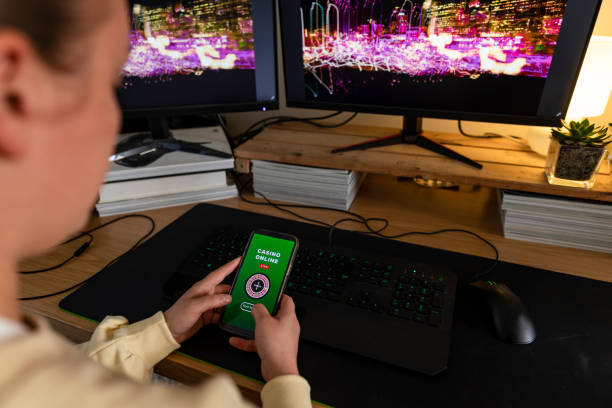

Card games have always played an important role in Indian social and cultural life. One of the most popular of these is rummy, which is played in homes, clubs, and increasingly on internet platforms. Rummy Culture has changed with the popularity of mobile gaming, becoming more than simply a hobby but a significant part of India’s rapidly expanding gaming market. The scope and depth of Rummy’s development in Indian society, the effects of technology, and how the phrase “Rummy Culture” today refers to a flourishing online community are all covered in this article.
A Vast Cultural Heritage
Rummy is a cultural artefact as well as a game. It is thought to have originated from games played centuries ago in Spain and Mexico, then spread throughout Europe before becoming a popular pastime in India. Card games are a mainstay in Indian homes, particularly during holidays like Diwali or get-togethers with relatives. With its combination of strategy and chance, rummy is a fantastic fit for the Indian culture of cerebral and entertaining amusement.
In Indian traditional society, rummy
Rummy was a major component of Indian family bonding in the pre-digital age. It united people in a spirit of good humour and gentle rivalry, regardless of whether it was played for matchsticks, candy, or small sums of money. Younger generations were taught the rules by elderly relatives, and homes created their own house rules, incorporating their own unique characteristics into a universally accepted structure.
Rummy’s social role is another factor that contributes to its significance. It served as a means of relaxation, conversation, and connection building. Rummy has been more than just a game for many years; it has been a generational pastime.
Online Rummy Platforms’ Emergence
With the introduction of personal computers and mobile phones, tabletop rummy gave way to online rummy. What began as simple downloading software has developed into a highly developed and cutthroat market. Online platforms added tournaments, cash-based competitions, and real-time multiplayer experiences to casual play, giving it structure.
Rummy Culture now encompasses both the popular activity and the flourishing web sector that surrounds it. Millions of gamers in India may now access it through platforms, allowing them to play the game whether on the go or in the comfort of their own homes.
The Allure of Online Rummy
A number of important factors have contributed to the expansion of online rummy. A big lure has been the ease of playing whenever and wherever you want, particularly in India’s cities where time is of the essence. Numerous game styles, real-time matchups, intuitive user interfaces, and safe payment methods are all provided by online platforms.
The transparency and fairness of online gaming are further draws. Unpredictability and equity in card distribution are guaranteed by certified random number generators. This encourages user trust, which is essential for real money games.
Innovation and Game Formats
Rummy’s internet development brought additional game formats that weren’t available offline. The most common game is still traditional 13-card rummy, however players can now play:
Points Rummy: Fast-paced games with monetary values for each point.
Players in the elimination-based pool rummy game try to maintain their scores below a certain threshold.
Fixed-deal games like Deals Rummy pit players against one another over a predetermined number of hands.
Practice Games: For players who wish to hone their skills without any financial risk.
From novice gamers to seasoned pros, these varied formats have plenty to offer everyone.
The Legal and Psychological Debate Between Skill and Chance
The fact that Rummy is regarded by Indian law as a game of skill is one of its main features. This has a big impact on whether it’s legal, especially if you’re playing for real money. Indian courts have maintained that, in contrast to games of pure chance like slots or lotteries, winning in Rummy demands strategic thought, memory, and decision-making.
Platforms are now able to function with transparency and confidence thanks to this legal certainty. However, the “skill” component has psychological appeal that goes beyond legal limits. Because they have power over the results and a sense of success, players are more engaged.
Culture of Community and Competition
Additionally, Rummy Culture suggests a community—an expanding network of enthusiastic players of various ages and backgrounds. Chat rooms, player rankings, leaderboards, and tournaments are frequently seen on online platforms. The game is elevated from simple entertainment to a participating experience by these social layers.
Playing competitively is becoming a major draw. Thousands of people participate in tournaments featuring leaderboard races, seasonal challenges, and large prise pools. For some players, this rivalry encourages a quasi-professional approach, strategy improvement, and personal development.
Cognitive Benefits and Educational Value
Rummy has cognitive advantages in addition to being enjoyable and profitable. Regular play may enhance memory, focus, pattern identification, and decision-making abilities, according to studies. The game imparts skills that are useful outside of the playing table, such as planning, probability analysis, and even emotional management.
More people are realising this educational value, particularly younger gamers and older users who want to keep their minds sharp. Platforms frequently advertise Rummy as “edutainment,” which combines entertainment with instruction.
Responsible Gaming: An Important Discussion
Concerns over responsible gaming are growing along with the rummy industry. The likelihood of obsessive behaviour is increased by the ease of access to real-money games. Prominent platforms have begun to include features like deposit caps, self-exclusion choices, and alerts for excessive play to assist gamers in controlling their playtime and expenditure.
Rummy Therefore, ethical play must be included in the definition of culture. The game’s long-term viability depends on raising awareness, offering addiction treatment, and protecting players.
Accessibility and Mobile Gaming
The widespread accessibility of Rummy has been greatly aided by India’s smartphone boom. Anyone with a phone may participate in the Rummy Culture because to affordable data plans, low-cost devices, and easy-to-use apps. Even on low-end smartphones, platforms have made their games responsive to mobile screens, guaranteeing fluid gameplay and simple controls.
Due to its accessibility, the game is now more accessible to housewives, students, retired professionals, and rural users.
Economic Effects and Employment Generation
In addition to players, Rummy Culture encompasses the surrounding economic environment. Employers in this rapidly expanding sector include game development firms, UX designers, customer support departments, content producers, and marketers. Rummy is a big element of the Indian online gaming sector, which is predicted to be worth billions of dollars.
Rummy is becoming more than simply a game; it’s becoming an industry thanks to tournaments and influencer marketing.
The Function of Branding and Marketing
Aggressive branding and marketing are other contributing factors to the emergence of Rummy Culture. Social media efforts, celebrity endorsements, and cricket sponsorships have all helped to lessen the stigma associated with online card games. They present Rummy as a respectable, strategic game played by mature, responsible people rather than as gambling.
Rummy’s public perception has been successfully repurposed by marketing materials that emphasise skill, convenience, and social contact.
Integration and Representation of Cultures
Additionally, rummy has begun to show up in popular media, including as TV series, web series, and movies, where it is portrayed as a representation of Indian leisure and strategic thinking. Its position in contemporary Indian culture is strengthened by this portrayal. Rummy is further woven into the fabric of Indian daily life through the use of regional languages, local festivals as promotional themes, and cultural events connected to gameplay.
The Obstacles That Remain
Rummy Culture still has problems in spite of its success. The fine line between healthy play and addiction, regulatory ambiguity in some places, and unfavourable public opinion by certain groups remain problems. It takes careful balancing to uphold moral principles while expanding commercially.
In order to maintain user confidence and industry reputation, platforms also need to address problems like cyber fraud, bots, and payment security.
Rummy Culture’s Future
It appears like Rummy Culture has a bright future. It is anticipated that the experience will become even more secure and immersive with the use of cutting-edge technology like blockchain, artificial intelligence, and augmented reality. Community forums, live dealers, and voice chat are some of the new elements that will help close the gap between online and offline gambling.
Similar to e-sports or fantasy cricket, there is also rising interest in creating Rummy leagues, which might make the game a spectator sport.
In conclusion, it’s not just a game.
The phenomenon of rummy culture is complex and ever-changing. These days, it’s more than just a card game; it’s about strategy meeting entertainment, tradition meeting innovation, and community meeting competitiveness. Rummy is still a game that unites, challenges, and captivates whether you play it with friends on a rooftop during Diwali or participate in a national internet competition.
Rummy Culture is a potent illustration of how tradition and technology can come together to produce something genuinely fascinating and enduring as India’s digital transformation picks up speed.
