
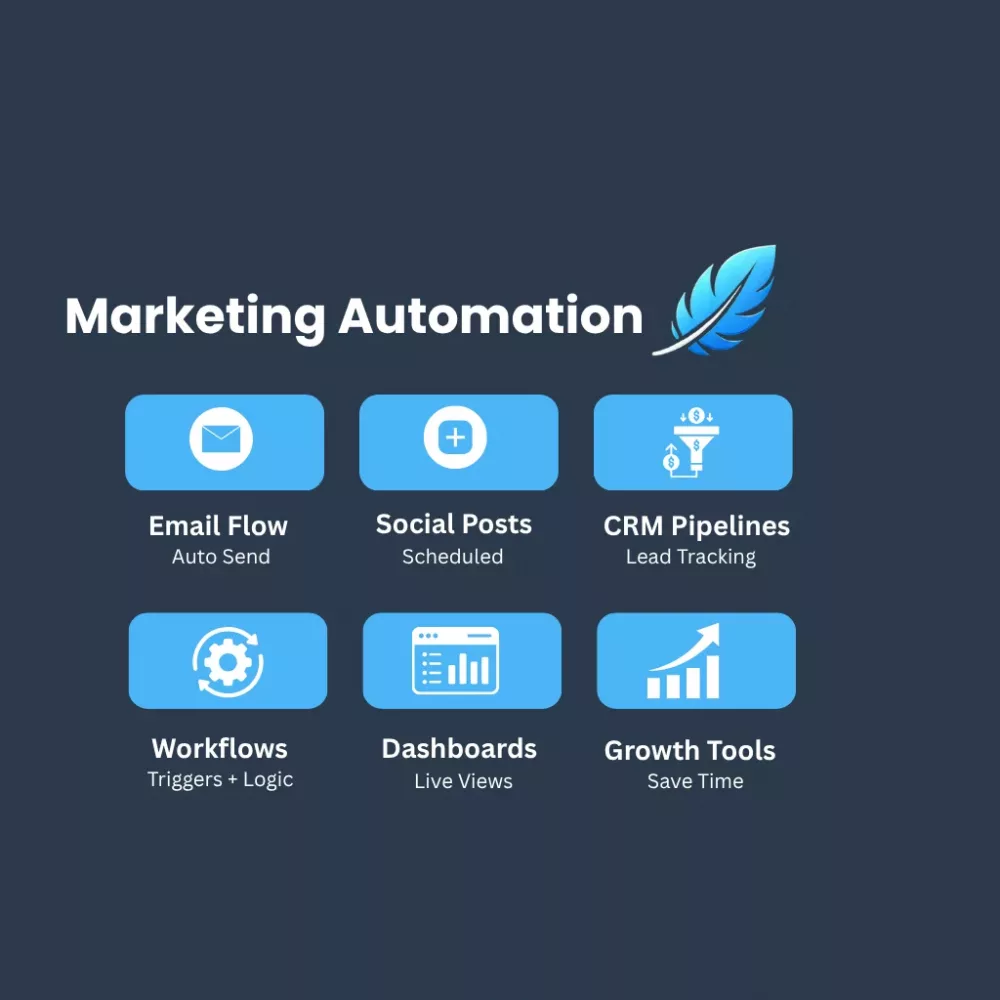

Running marketing campaigns without structure often leads to wasted time, weak engagement, and missed sales. Manual tasks slow down growth. Messages arrive late or get ignored. And let’s be honest—juggling too many tools and touchpoints can burn out your team.
This is where a smart marketing automation strategy can help. By setting clear goals and streamlining actions, you save time and stay consistent. You can reach the right people, at the right time, with the right message, without lifting a finger each time. Ready to plan smarter and grow faster in 2025? Below are six easy-to-apply ideas that work for any business size or industry.
1. Automate Your Lead Scoring Process
Lead scoring helps you focus on people most likely to buy. Instead of chasing every lead, your system assigns points based on actions like email clicks, website visits, or downloads.
This saves your sales team from cold leads and wasted effort. It also improves timing, engaging prospects just when they’re ready. You won’t need to guess anymore. The automation does the tracking and sorting for you.
An automated marketing agency can help you set this up quickly. Or, if you’re working in-house, many tools like HubSpot or ActiveCampaign offer scoring options. Once the system runs, you’ll spot better leads, close faster, and waste less time.
2. Set Up Behavior-Based Email Flows
Behavior-based emails respond to real actions, like visiting your pricing page or abandoning a cart. This type of automation feels personal and timely. It also improves conversions without needing constant attention.
Instead of guessing when to send emails, your system reacts to what the user does. This builds trust and keeps your brand top of mind. Welcome emails, follow-ups, and reminders all benefit from this strategy.
If you’re unsure where to start, a marketing automation strategist can map out these flows for you. The goal is simple: send fewer but more relevant emails. This increases open rates and sales, all while running in the background.
3. Automate Social Media Scheduling
Posting manually on every platform takes up too much time. That’s where automated scheduling helps. Tools like Buffer or Hootsuite let you plan content weeks in advance and post at the best times.
This doesn’t just save time—it keeps your brand active without gaps. Consistent posting improves reach and keeps your audience engaged. You can plan themes, review analytics, and keep everything on track.
If you want deeper help, an agency marketing automation can build out your content calendar and optimize it further. Whether you post daily or weekly, automation keeps your social strategy organized and running smoothly.
4. Use SMS and Email Together
Many businesses focus only on email. But SMS can boost results when used the right way. Think reminders, flash sales, or time-sensitive updates. When combined with email, you cover more ground and increase engagement.
Automation lets you send SMS based on triggers—like a missed email, completed form, or cart event. This keeps your communication fast and focused. Just be sure not to overuse it. Keep messages short and helpful.
Marketing tools like Klaviyo and Omnisend offer SMS-email combos. Or you can consult with a marketing automation strategist to set up campaigns across both channels. Done right, this combo increases reach and action.
5. Automate Client Onboarding Tasks
Client onboarding can eat up hours if done manually. Sending welcome messages, scheduling meetings, or sharing guides takes time. But automation makes this process simple and smooth.
Set up a flow that triggers once a deal is closed. Automatically send an email with login info, links to training, and next steps. You can also add reminders or check-ins to make clients feel supported from the start.
With the right tools, onboarding becomes quick and consistent. This improves client satisfaction and saves your team from repeating the same steps. It’s one of the easiest ways to improve service without extra workload.
6. Schedule Content Based on Customer Journey
Not everyone is ready to buy right away. Some are just exploring, while others need more proof. Scheduling content based on the customer journey helps guide each person in the right direction.
Use automation to send blog posts, testimonials, or product videos at key stages. Early-stage leads get helpful info. Warmer leads get case studies or offers. This approach feels thoughtful, not pushy.
A smart marketing automation strategy makes this happen without manual effort. Once the journey is mapped, the system sends the right content automatically. You help people move forward at their own pace, while staying top of mind.
Moving Ahead
Automation is no longer a luxury—it’s a smart move for teams who want to grow with less stress. With the right tools and plan, you can do more in less time. These six ideas are simple to apply and effective across industries. Start small, build smart, and let your strategy run with ease.
Need help with automation setup? Contact UnKAGEd Media to start building smarter campaigns with real results—minus the stress and wasted hours.
FAQs
1. What is a marketing automation strategy?
It’s a step-by-step plan to automate tasks like emails, social posts, or lead follow-ups to save time and improve results.
2. Why should I use a marketing automation strategist?
A strategist helps plan, build, and run campaigns that match your goals. They also prevent mistakes that slow down your results.
3. What does an automated marketing agency do?
They set up tools, design flows, and manage campaigns for businesses that want to automate their marketing tasks professionally.
4. Can small businesses use marketing automation?
Yes. Many affordable tools work well for small teams. Start simple—like email sequences or social scheduling—and grow from there.
5. How do I choose the right marketing automation tool?
Pick a tool based on your business size, budget, and features you need—like email, CRM integration, or SMS support.
