

There’s nothing quite like sitting in the middle of a summer night, sweating like crazy, your phone battery dying at 3%, and your fan slowly giving up its last spin. If you’ve ever gone through that, then you already know why having a power backup battery for home isn’t just some “nice-to-have” thing—it’s survival equipment. Especially if you live in an area where electricity decides to play hide and seek every other day.
When Power Cuts Hit Harder Than You Expect
It’s funny, we never think about electricity until it’s gone. One evening last year, I was working on a project with a deadline that was already breathing down my neck. And then boom, blackout. Laptop dead, Wi-Fi dead, and my motivation died right along with them. I remember sitting there thinking—if only I had invested in a good backup battery, I’d at least have kept my laptop alive and maybe, just maybe, met that deadline. Since then, I promised myself I’d never underestimate the power (pun intended) of power backup again.
Why You Need a Power Backup Battery at Home
Okay, here’s the thing—modern life literally runs on electricity. Your fridge keeps your food fresh, your Wi-Fi keeps you connected, and your devices keep you sane. When the power goes out, it’s not just about lights anymore—it’s about everything else that stops working. A good power backup battery keeps your home running smoothly even when the grid fails you. It’s like having a little guardian angel quietly making sure your gadgets don’t die on you.
There’s also a peace-of-mind factor. Imagine knowing that no matter what, your fan, Wi-Fi, and maybe even your washing machine can keep running without interruption. That’s the kind of silent comfort a backup system gives you.
What Kind of Battery Backup Works Best
Not all batteries are the same. There are inverter batteries, solar batteries, and even lithium-ion models (yeah, like the ones in your phone, but bigger and meaner). Traditional lead-acid batteries are cheaper but require maintenance—like topping up water and keeping them dust-free. Lithium-ion, on the other hand, is pricier upfront but lasts longer and needs way less maintenance.
In India, inverter batteries are still the most common, mostly because they’re affordable and reliable. But if you’re thinking long-term—and you care about efficiency—solar-compatible batteries are honestly the smarter bet. Combine them with a solar panel setup, and you’ll not only survive blackouts but also cut down your monthly electricity bill. That’s like winning both ways.
Solar Energy Is More Than Just a Trend Now
You might’ve noticed on social media lately, everyone’s talking about going “solar.” And it’s not just about being eco-friendly anymore. It’s practical. With rising electricity costs and more people working from home, depending purely on the grid feels risky. Solar backup batteries charge during the day and then keep your house running when the sun’s down or the power’s out. Plus, you can brag a little at family get-togethers about running your home in the sunlight.
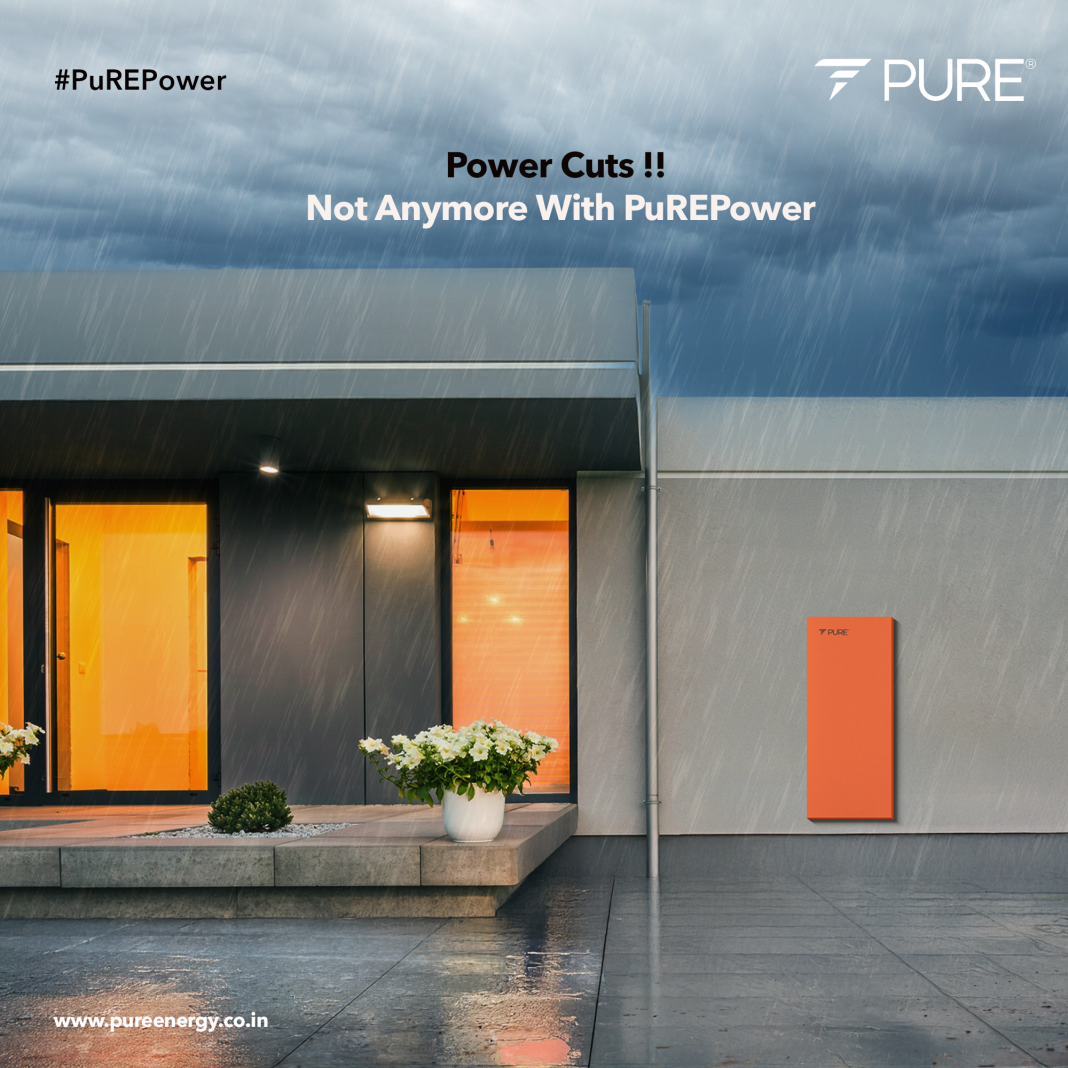
Companies like Pure Energy are doing some solid work in this space, offering sleek, reliable batteries designed for Indian homes (and Indian heat). These batteries aren’t those bulky, industrial-looking boxes you have to hide—they’re compact, smart, and built to last.
Choosing the Right Size and Type
Here’s where most people mess up—they buy either too small or too big a battery for their needs. It’s like buying clothes two sizes off and then wondering why it doesn’t fit. The capacity of your battery should match how many appliances you want to power and for how long. If you just need to keep a few lights and fans running, a small inverter battery will do. But if you want your AC or fridge to stay alive during outages, you’ll need something stronger.
Also, pay attention to the backup duration. A decent inverter setup can give you 4–6 hours of backup, while a high-end solar battery could stretch that even further. It’s worth checking how fast the battery charges too—because what’s the point of backup if it takes forever to get ready again?
A Few Honest Thoughts
Here’s my take: getting a power backup battery for home isn’t a luxury anymore. It’s like buying insurance—you don’t really notice it’s there until you desperately need it. Sure, it costs a bit, and yeah, you’ll have to deal with some maintenance depending on the model. But when everyone else is sitting in the dark, you’ll be chilling with your ceiling fan on and your phone charging happily.
Also, if you’re already thinking green, investing in solar backup systems is the next logical step. They’re cleaner, quieter, and make you feel just a little bit smug knowing your electricity comes straight from the sky.
The Future Looks Battery-Powered
The technology for home backup batteries is moving fast. We’re already seeing smart inverters that sync with mobile apps, hybrid systems that manage power automatically, and solar batteries that last 10+ years without breaking a sweat. In a few years, I wouldn’t be surprised if homes become fully self-reliant when it comes to energy.
