
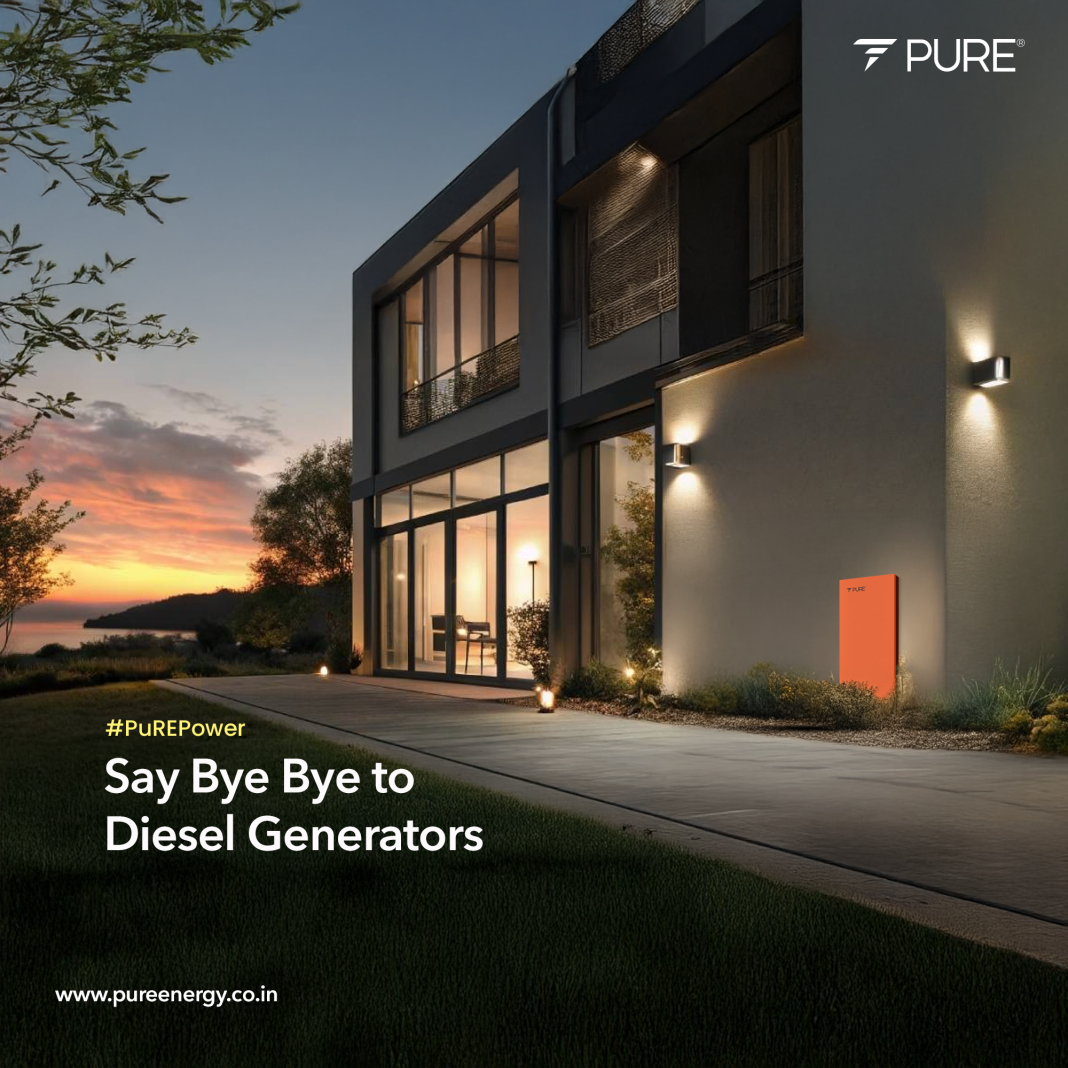

Okay, so here’s the thing. We’ve all had those moments when the electricity suddenly goes out right in the middle of something important—like uploading a file, watching your favorite web series, or worse, when it’s 40 degrees outside, and the fan just stops. It’s chaos. That’s where having a power backup battery for home feels less like a luxury and more like a bare necessity.
The Unspoken Fear of Power Cuts
Power cuts used to be a thing of the 90s, right? At least that’s what we thought. But now with unpredictable weather, heavy rains, and overloaded grids, blackouts are sneaking back into our lives. You’re working from home, attending an online meeting, and boom—darkness. I once lost an entire unsaved report during a 20-minute power cut and seriously considered moving to Mars. That’s when I realized the importance of having a backup battery at home.
How Power Backup Batteries Actually Work (Without the Tech Jargon)
Alright, let’s keep it simple. A backup battery basically stores electricity when the main power supply is on, and when it goes off, this stored energy keeps your lights, fans, Wi-Fi, and maybe even your fridge running for a while. It’s like having a mini superhero waiting quietly in the corner until the villain (aka power cut) shows up. Some batteries are designed to handle smaller appliances, and some can literally power your entire house. Depends on your setup and how much you want to spend.
A Small Investment That Saves Big Hassles
I’ve seen people hesitate about the cost, and I get it. The first time I checked the price of a decent backup system, I gulped. But then, think about how much you lose during every power outage—spoiled food, ruined work, endless frustration. When you break it down, a one-time investment in a power backup battery for home actually saves a lot more in the long run. And modern batteries are way more energy-efficient, so they don’t suck power endlessly when charging.
Different Homes, Different Needs
If you live in a small apartment, you probably don’t need a massive inverter setup. Something compact with a lithium-ion battery could do the job. But if you’ve got a bigger home or multiple gadgets running at once—TV, fridge, AC—then you’ll need a higher capacity system. I’ve noticed that a lot of people are switching from lead-acid to lithium-ion because they last longer and charge faster. Plus, they don’t make that weird humming noise some old-school inverters do.
Eco-Friendly and Quiet – The New Trend
Gone are the days when backup systems looked like dusty metal boxes in the corner. The latest models are sleek, quiet, and even come with digital indicators showing backup time and charge level. Some people on social media even brag about how eco-friendly their battery systems are (and okay, it’s kind of cool when your backup power runs partly on solar). If you’re even slightly conscious about the environment, a cleaner energy option makes sense.
The Real-World Difference
I remember last year when a storm knocked out power in our area for over 8 hours. Most of my neighbors were sitting in darkness, scrolling Twitter to complain about the power board. Meanwhile, my house was glowing like a mini oasis thanks to my backup setup. I brewed coffee, finished my work, and even streamed a movie just to rub it in a little (not my proudest moment, but it felt good). That day I swore I’d never take backup batteries for granted.
Tips Before You Buy One
A small piece of advice—don’t just buy the first one you find online. Check the brand’s service network, battery warranty, and charging time. Sites like Pure Energy actually have a solid range of options, and they focus on performance and reliability. Go for something that matches your usage pattern, not just the price tag.
