

Ever been in the middle of binge-watching your favorite series or in a Zoom meeting, and suddenly—bam!—the lights go out? Yeah, that’s the exact moment you realize, “maybe I do need a power backup battery for home.” I used to shrug off the idea, thinking, “It’s just a blackout, how bad can it be?” Spoiler: bad. Very bad. Especially if you live in a place where power cuts aren’t just occasional but more like uninvited guests that never leave.
Understanding the Basics
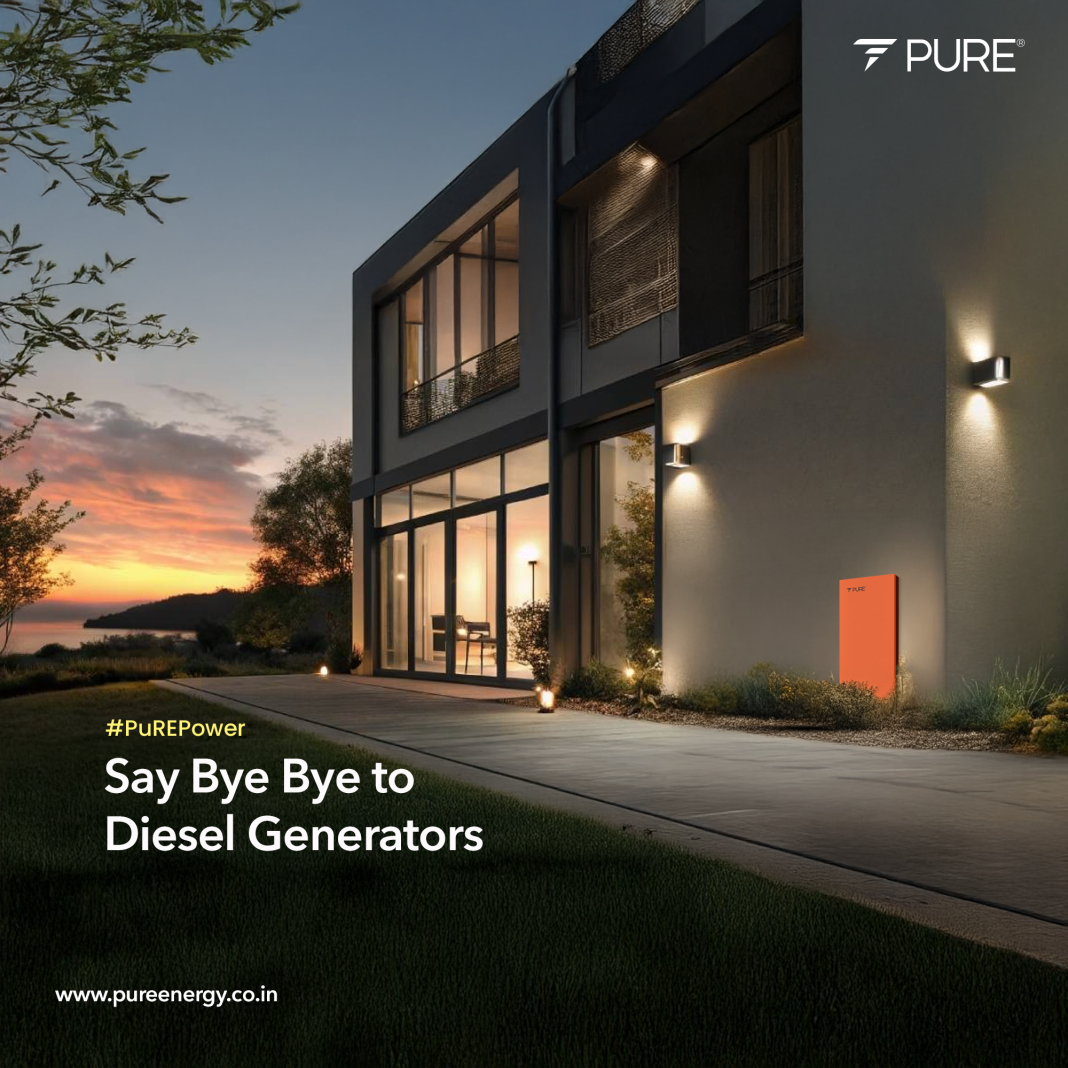
So, what exactly is a power backup battery for home? Imagine it as a lifeboat for your electronics. When the main electricity fails, the battery kicks in, keeping your essentials running. And when I say essentials, I mean more than your phone charger—think fridge, fans, lights, maybe even that gaming PC you don’t want to turn off mid-boss fight. It’s not rocket science, but it’s one of those things everyone overlooks until the lights literally go out.
Honestly, I’ve tried surviving without one, and it’s not fun. Candles are romantic for like five minutes, but when your AC dies in the middle of summer? Not so romantic. Not to mention the food in your fridge slowly turning into a science experiment. That’s why I ended up checking out power backup battery for home options. And let me tell you, the difference is night and day.
Why You Should Care About Capacity
Here’s a little insider tip most people miss: not all power backup batteries are created equal. Some can barely power a few lights for an hour, while others can run your home like nothing happened. Think of it like coffee: some batteries are espresso shots—quick, intense, but gone before you know it. Others are like a big thermos of your favorite brew—steady and lasting. Personally, I prefer the thermos kind.
Capacity matters more than brand hype. I’ve seen friends get dazzled by fancy advertisements, spend a ton, and then be disappointed when their “super battery” barely lasted through dinner. So, do a tiny bit of math. List what you actually need running during a blackout, add a buffer, and then pick a battery that can handle it. Trust me, it saves a lot of late-night panic calls to electricians.
Technology and Features You Probably Didn’t Know About
Here’s something I found fascinating: modern power backup batteries aren’t just giant boxes of energy anymore. Some come with smart tech that lets you monitor usage via an app. So yeah, you can see in real time how much juice your fridge is draining versus your fan. And if you’re into eco-friendly stuff, certain models even optimize charging to save electricity, which is a win-win. It’s like having a little energy coach in your house.
Also, shoutout to social media chatter—people are genuinely geeking out over lithium-ion vs. lead-acid batteries. Apparently, lithium ones are lighter, last longer, and don’t make weird noises. I didn’t fully get it at first, but after reading a dozen Reddit threads and watching a couple YouTube videos, it clicked. If you don’t want your battery looking like a relic from the 90s, go lithium. Your future self will thank you.
The Hidden Benefits You Never Thought About
Here’s a nugget that blew my mind: having a power backup battery isn’t just about surviving blackouts. It can actually protect your devices from sudden voltage spikes. Think of it like an insurance policy—except you don’t have to read 50 pages of confusing terms to use it. Your gadgets stay safe, your food stays fresh, and your sanity stays intact.
Also, for those who work from home (shoutout to everyone still juggling Zoom calls and Wi-Fi drops), it’s a lifesaver. I once had a major presentation, and thanks to a backup battery, not a single pixel froze. Without it? Disaster.
Final Thoughts: It’s Not Just a Luxury
Honestly, getting a power backup battery for home isn’t about splurging—it’s about peace of mind. It’s the little thing that quietly saves you from big headaches. The convenience, the safety, the ability to binge-watch in peace—yeah, all priceless.
