
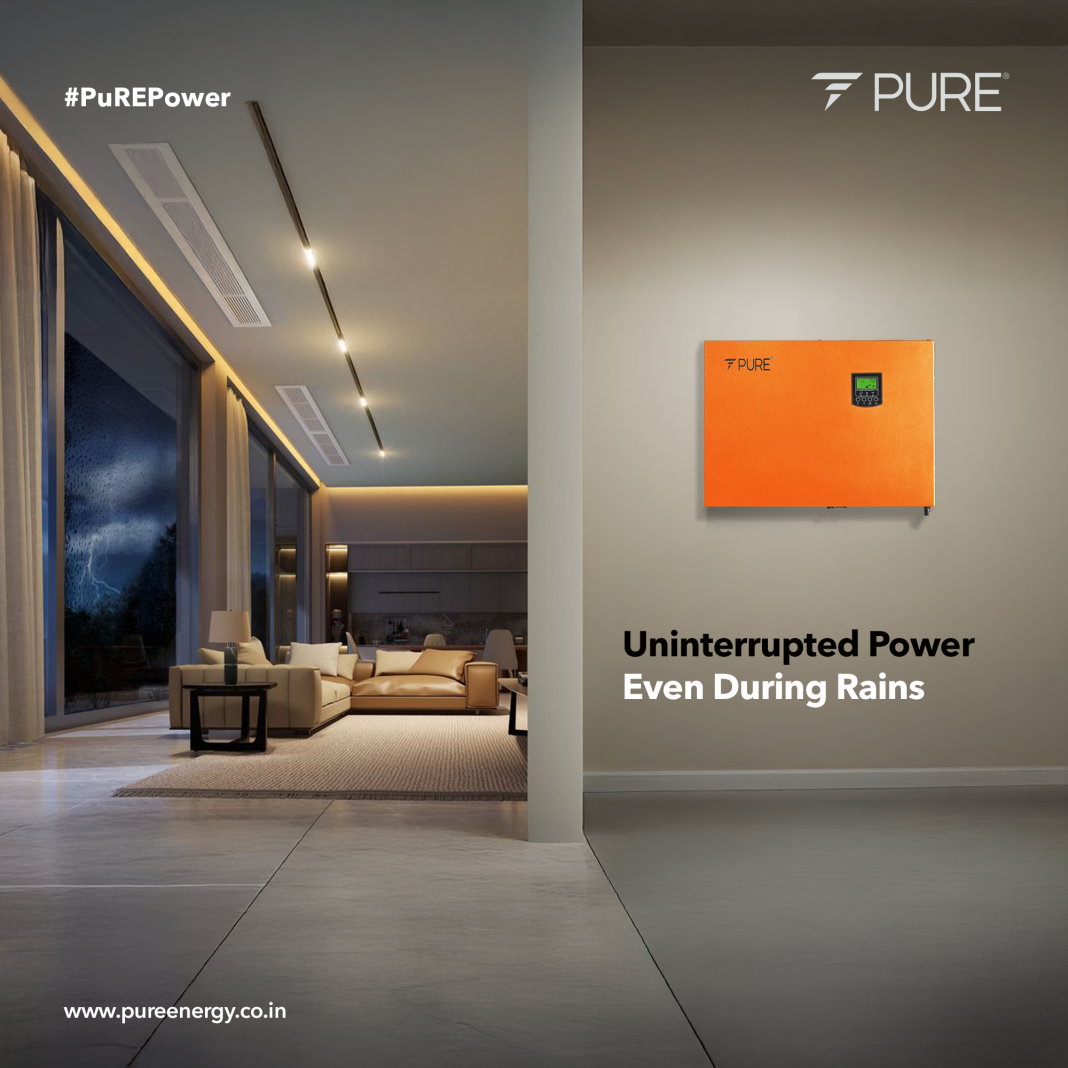

Blackouts Don’t Feel the Same Anymore
I remember power cuts as a kid being kind of… fun. Candles out, board games, random ghost stories. Now? One power cut and suddenly the Wi-Fi’s dead, the laptop battery is blinking red, the inverter is making that sad beeping noise, and everyone at home looks personally offended by the electricity department.
Somewhere between work-from-home culture and our addiction to devices, a power cut stopped being a mild inconvenience and became a productivity killer. That’s probably why the idea of a power backup battery for home has quietly shifted from “nice to have” to “okay, we actually need this.”
And not just any backup. People are way more picky now. Clean power, faster charging, less noise, lower bills. Basically, we want magic in a box.
Inverters Were Fine… Until They Weren’t
Let me be honest. I used to think all power backups were the same. Inverter, battery, done. Then my old setup failed during a summer afternoon when the fan slowed down instead of speeding up. That was the moment I realized something was off.
Traditional inverter batteries are like old scooters. They work, but they’re noisy, need constant maintenance, and give you anxiety when they act weird. Newer power backup batteries are more like electric cars. Quiet, efficient, smarter than you expect.
What surprised me is how many people online share similar stories. Scroll through Twitter or Reddit threads during peak summer months, and you’ll see complaints not just about power cuts, but about batteries overheating, leaking, or dying too fast. That chatter matters. It’s basically free market research screaming at you.
What’s Actually Inside a Modern Power Backup Battery for Home
Here’s a lesser-known thing. Most modern power backup batteries, especially lithium-based ones, lose way less energy during charging and discharging. Lead-acid batteries can waste almost 20–25% of energy as heat. Lithium ones waste much less. That’s like pouring a glass of water and spilling a quarter of it every time. Feels wrong once you think about it.
Another niche stat I came across while casually doom-scrolling LinkedIn posts from energy folks: lithium batteries can handle 2–3 times more charge cycles than traditional batteries. That means if your old battery lasted maybe 3–4 years, a good lithium setup can push 7–10 years if treated decently.
And yes, they cost more upfront. But so does a good phone, and we still buy it because long-term pain hurts more than short-term spending.
The Money Part
Talking about money always feels awkward, but let’s keep it simple.
Think of a power backup battery for home like buying a water purifier instead of bottled water. The upfront cost feels high, but monthly expenses quietly drop. Less battery replacement, lower electricity loss, fewer repair calls. Over time, it evens out.
Some users even mention on Facebook groups that their electricity bills stabilized after switching to efficient backup systems because charging cycles were smarter and shorter. I didn’t fully believe that until I noticed my own meter behaving less aggressively at night.
And if you pair a good battery with solar later, that’s another rabbit hole of savings. But that’s a story for another mildly confusing weekend.
Noise, Smell, and Other Things Nobody Mentions in Ads
One underrated benefit of a modern power backup battery for home is silence. Real silence. No humming. No buzzing. No weird burning smell at 2 a.m. that makes you check YouTube videos titled “Is inverter smell normal?”
Lithium-based backups don’t gas, don’t leak acid, and don’t demand weekly check-ins. For apartments especially, that’s huge. I’ve seen people on Instagram reels literally celebrating the fact that they don’t have to explain battery smell to guests anymore. Small win, but a win.
Online Sentiment Is Shifting, Quietly but Clearly
If you look at comment sections under energy-related posts, the tone has changed. Earlier, people asked “Is the inverter enough?” Now they ask “Which battery is safer?” or “Which brand won’t die in 2 years?”
There’s also more trust in companies that focus purely on clean energy rather than random electronics. Brands that talk about sustainability without sounding preachy tend to get better word-of-mouth. That’s probably why platforms come up more often when people discuss a reliable power backup battery for home rather than just cheap options.
People don’t want experiments anymore. They want things that just work.
My Slightly Biased Take
Personally, I think spending extra on a good power backup battery makes more sense than upgrading your TV or phone every year. When power goes out, nothing else matters anyway. No Netflix, no charging, no fan. Just regret.
I made mistakes before by choosing cheaper batteries thinking I was being “practical.” Turned out I was just paying in installments through repairs, replacements, and frustration.
Now I see power backup less like an accessory and more like infrastructure. Like plumbing. You don’t brag about it, but you suffer badly when it fails.
Final Thought, Not a Conclusion
A power backup battery for home isn’t about fear of blackouts anymore. It’s about control. Control over your time, your work, your comfort. And maybe your sanity during peak summer.
