
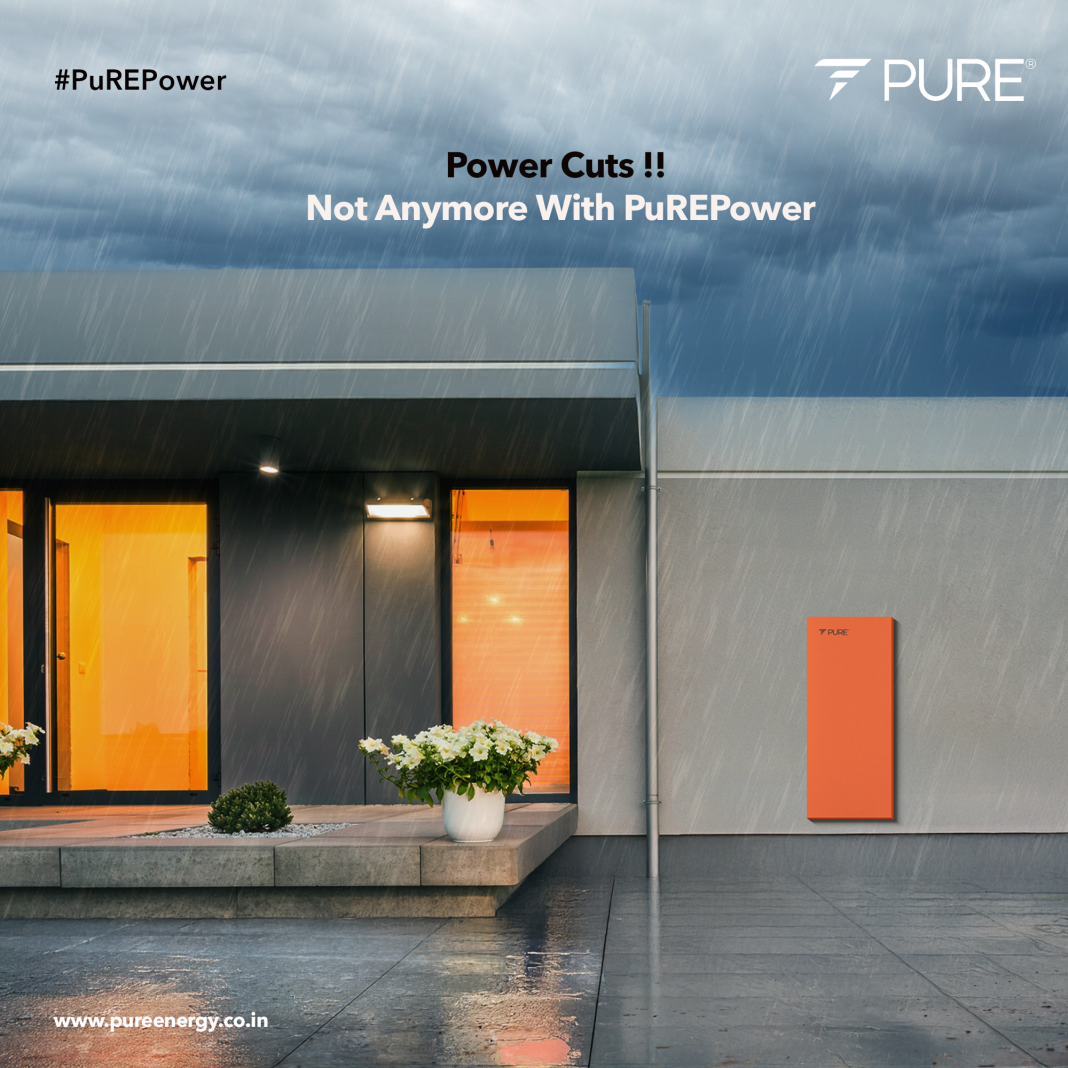

Power cuts are like those uninvited relatives—they show up right when you least expect them and stay longer than you want. If you’ve ever been in the middle of an online meeting or cooking dinner and suddenly the lights go off, you know that sinking feeling. That’s where a power backup battery for home quietly steps in like a reliable friend who never flakes out. It keeps your fans, lights, and Wi-Fi running when everything else gives up.
Now, I didn’t always care about backup power. I used to think, “Eh, I’ll just use candles.” But after living through one monsoon season where I was sweating in the dark while my phone battery dropped to 3%, I realized — modern problems need modern solutions.
How Power Backup Batteries Actually Work (Without Getting Too Technical)
Okay, let’s not go full engineer here. Basically, these systems store electricity when there is power and feed it back when there isn’t. Think of it like having a savings account, but instead of money, you’re saving energy for emergencies. The batteries charge up when the power supply is stable, and when a blackout hits, they instantly switch on to keep your appliances alive.
And no, it’s not the same as a generator. Generators are loud, smell weird, and need fuel. Batteries are silent, clean, and don’t make you feel like you’re starting a lawnmower every time the power goes off.
Why It’s Becoming a Trend Now
People used to think of power backup as a luxury, but it’s kind of turning into a necessity now. With work-from-home life, online classes, and literally every device in your house needing power — from your phone to your fridge — you can’t afford sudden blackouts anymore. Plus, electricity isn’t as reliable in many cities and small towns, especially during summer.
There’s also a quiet trend online — if you scroll through Reddit or X (Twitter), you’ll see tons of people ranting about how they lost unsaved work or got disconnected during a gaming session because of power cuts. And then someone in the thread casually mentions how their backup battery saved them. It’s like that one humble tech upgrade that doesn’t get enough credit.
Cost vs. Peace of Mind
I won’t lie, getting a good battery system installed does cost a bit. But so does stress. And if you’ve ever had your Wi-Fi router go down in the middle of submitting an important file, you’ll know exactly what I mean. Most homeowners today are choosing convenience and peace over the old-school “we’ll manage” attitude.
The good news is that power backup batteries have gotten smarter and more efficient. Some can even pair with solar panels so you’re not just saving power, you’re saving money. Imagine charging your home from sunlight — that’s straight-up sci-fi level cool.
Real Talk: My Experience
So here’s my story. A few months ago, my area had these random power cuts that made no sense. Sometimes for 15 minutes, sometimes for 2 hours. My inverter died a slow death one day (probably because I never maintained it properly — lesson learned). I replaced it with a compact battery backup system, and honestly, it’s been life-changing. The power goes, the lights don’t. My laptop doesn’t die halfway through a video call. And the best part? It’s dead silent. I actually forget it’s even working until I realize the rest of the neighborhood is dark.
Eco-Friendly Side of It
Another underrated thing: modern backup batteries are eco-friendlier than traditional systems. The newer lithium-ion ones are more energy-efficient, need less maintenance, and don’t emit fumes like diesel generators. So yeah, you can stay powered up without feeling guilty about polluting the planet.
Choosing the Right Setup
When picking a system, it really depends on what you want to run during an outage. If it’s just lights and fans, a small unit works fine. But if you’re powering appliances, Wi-Fi, and maybe your home office, you’ll need a higher-capacity one. Always check the backup duration and charging time too. Some systems recharge super fast, which helps when you’ve got back-to-back outages (which, let’s be honest, happens way too often in India).
Final Thought — Don’t Wait for the Next Blackout
If you’ve been putting off getting one, just do it before the next storm or “scheduled maintenance” notice. Life gets a lot easier when you’re not worrying about the lights going out mid-cooking or your Netflix episode freezing.
