

I never really cared much about power backup until one fine summer afternoon when the fan stopped mid-spin, my Wi-Fi died, and my laptop screamed 5% battery. Classic. If you live in India, you probably know that feeling — power cuts that show up like uninvited guests, always at the worst possible time. And that’s when I finally started digging into this whole power backup battery for home thing. Spoiler: it’s not as boring as it sounds.
When the Lights Go Out, So Does Productivity
It’s funny — most of us spend more time picking a new phone case than thinking about how to keep our homes running during power cuts. But let’s be honest: the struggle of sweating through the night, missing online meetings, or watching your phone die just when you’re about to order food is real. Power backup systems have gone from “luxury” to “bare minimum survival kit.”
Earlier, people would go for bulky inverters or those loud diesel generators that make you feel like you’re living next to a factory. But now? The game’s changed. These modern backup batteries are compact, quiet, and actually kind of smart — they know when to kick in, how to optimize power use, and some even sync with solar setups. Feels like something out of a sci-fi movie, but no, it’s real.
The Shift: From “Just in Case” to “Can’t Live Without It”
If you scroll through Reddit or Twitter (or X, if you still call it that), you’ll notice a bunch of people talking about how unreliable electricity has become lately. Especially with everyone working from home, one small power cut can kill your flow. A friend of mine who runs an online baking business once told me she lost an entire batch of dough because her mixer stopped mid-whip — during a blackout. That was the day she bought a backup battery.
These power backup systems aren’t just about comfort anymore. They’re about keeping your work, business, and sanity intact. Especially in cities where outages hit like mini heart attacks — unexpected and annoying.
Okay, But What Actually Is a Power Backup Battery?
So here’s the simple version — think of it as a massive, smarter version of your phone battery. It stores energy when the power’s on and releases it when it’s off. No fumes, no noise, no starting cords like those old generators. Just seamless electricity when you need it most.
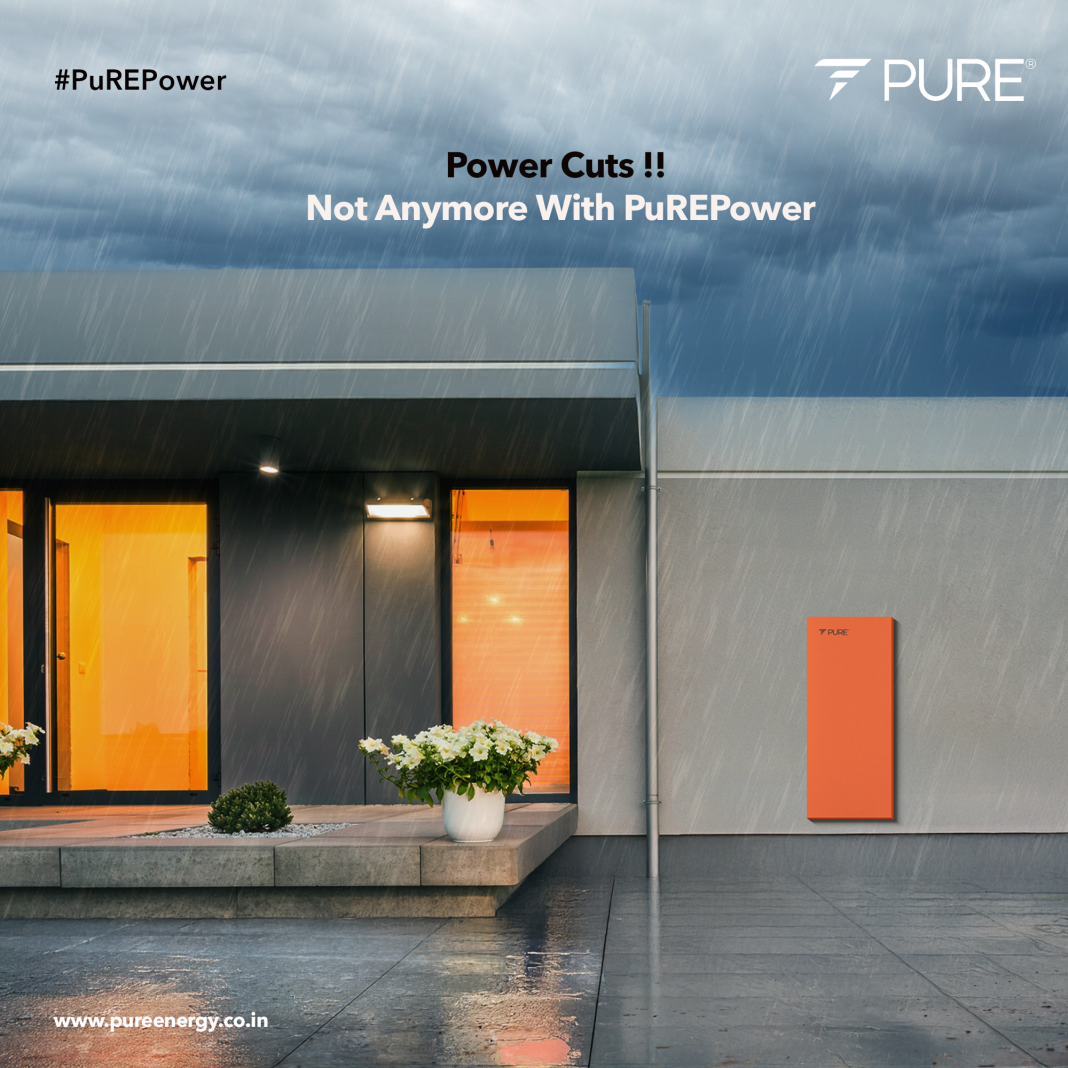
Now, brands like Pure Energy have made it even cooler by designing systems that are built for Indian homes — compact, energy-efficient, and solar-ready. Basically, plug it in and forget about it. Some models even look sleek enough to blend in with your furniture (if you care about aesthetics as much as I do).
Why People Are Switching to Smarter Backup Solutions
There’s this growing “clean energy” trend, and it’s not just about saving the planet — it’s also about saving your sanity (and bills). Traditional inverters guzzle electricity and need constant maintenance. Meanwhile, these modern power backup batteries can run quietly for hours and even integrate with solar panels if you decide to go a bit eco-friendly.
Fun fact: India’s demand for home energy storage systems has gone up by almost 35% in the last two years, according to some industry reports I stumbled upon. And honestly, I’m not surprised. Between unpredictable weather, rising electricity costs, and half the neighborhood buying electric scooters that need charging, a backup battery feels like the sensible choice.
Social Media Loves to Complain (But They’ve Got a Point)
Spend five minutes on social media, and you’ll see people ranting about power cuts — from gamers losing ranked matches to influencers missing their live streams. It’s hilarious and sad at the same time. One meme said, “If power cuts were Olympic events, my city would bring home gold.” Relatable, right?
What’s even funnier is how many people are turning those complaints into recommendations. There’s a whole wave of “home upgrade” videos on YouTube where creators show off their inverter setups and backup batteries. It’s becoming part of modern home design — like having good lighting or a fast Wi-Fi router.
The Not-So-Obvious Perks
Besides the obvious “keeping your lights on,” there are some underrated benefits. For one, backup batteries protect your expensive electronics. Sudden power surges? Gone. Also, if you live in areas where voltage fluctuations are common (hello, monsoon season), these systems stabilize the supply, saving you from random appliance deaths.
And let’s not forget peace of mind. You don’t realize how much mental energy goes into worrying about power until you stop having to. The quiet hum of a working AC during a blackout? Priceless.
My Take — Don’t Overthink It
Honestly, if you’re reading this and still wondering whether it’s worth it — it probably is. I hesitated for months, comparing specs and overanalyzing reviews. But once I got my own power backup battery for home, I felt this weird sense of relief. Like, I could finally stop panicking every time the lights flickered.
It’s not even about going full “tech-savvy homeowner.” It’s about small everyday comfort. Being able to make coffee, charge your phone, or finish that Zoom call without worrying about blackouts — that’s modern luxury, my friend.
The Bottom Line (If You Even Need One)
I’m not saying a backup battery will change your life — but it kinda will. It’s one of those things you don’t think about until you experience that calm during the next power cut. And if you’re going to invest in one, might as well check out something reliable and built for Indian homes like what Pure Energy offers.
Because honestly, in a world where even your fridge needs Wi-Fi to work, a good power backup isn’t just smart — it’s survival.
