
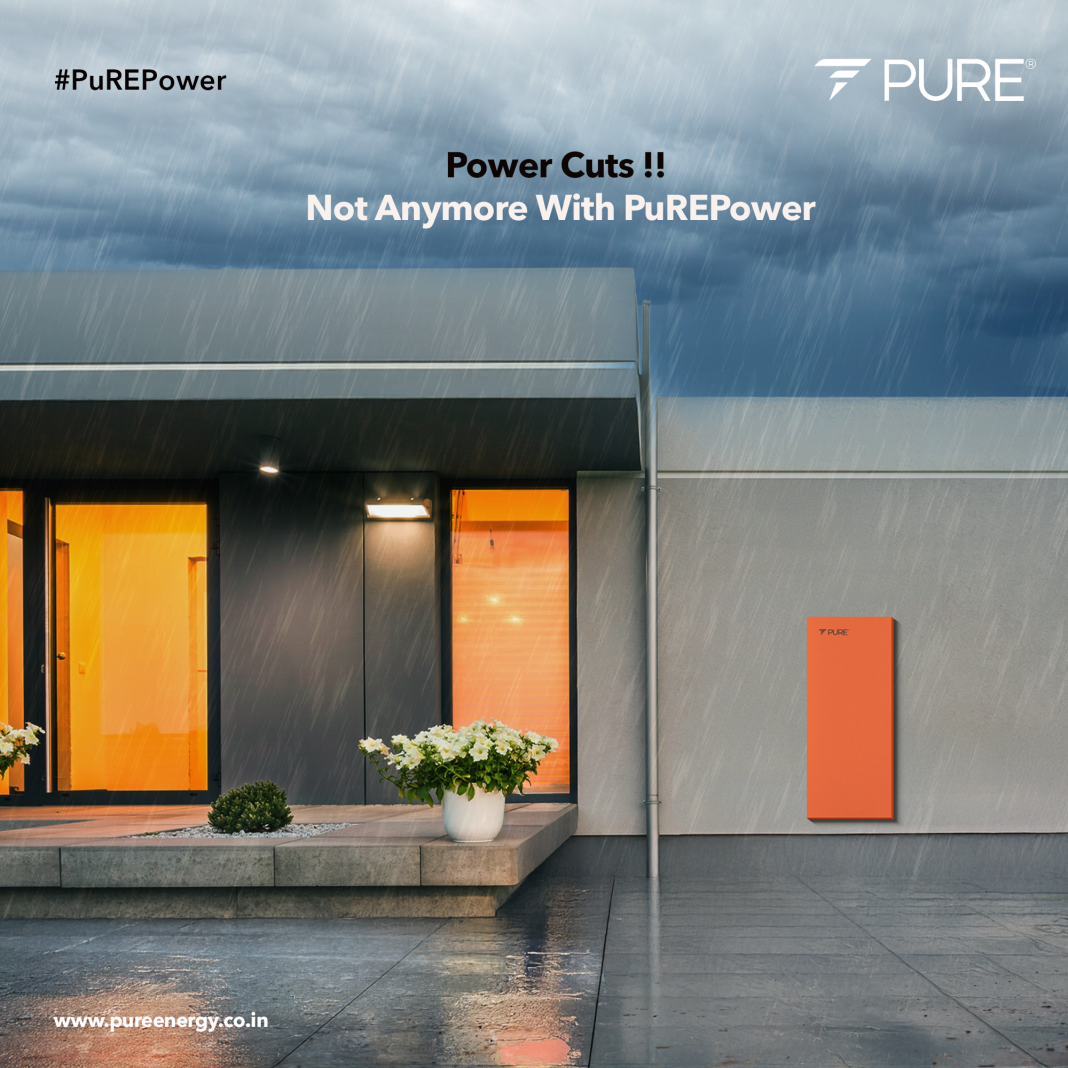

Let’s be real for a second. Power cuts in India are like those uninvited guests — you don’t know when they’ll show up, but they always pick the worst possible time. You’ll be in the middle of a cricket match or maybe your kid’s online class, and boom — darkness. That’s when a power backup battery for home stops being a fancy gadget and starts feeling like a genuine life necessity.
Now, I grew up in a small town where load shedding was like a part of the daily schedule. 7 PM? Oh, perfect time for the lights to vanish. We had that old-school inverter that used to make a humming noise louder than the mosquitoes it was supposed to outsmart. Fast forward to now — batteries are smarter, sleeker, and way more efficient. But here’s the thing, most people still don’t understand how much a good backup system can change your home’s comfort level.
Power cuts are not just a “rural problem” anymore
People like to assume that city life is immune. Not true. Even metros like Delhi, Bangalore, and Mumbai see power fluctuations more often than we’d like to admit. You won’t always have long blackouts, but those tiny surges and interruptions? They can kill your Wi-Fi, mess up your fridge, or even reset your smart TV right when you’re watching the plot twist. It’s honestly infuriating.
That’s where modern home backup systems are catching attention. Unlike the old inverter-battery combos that needed constant maintenance and gave that wet battery smell (you know the one), today’s systems are more compact, silent, and sometimes even come with app monitoring. There’s something oddly satisfying about checking your battery status on your phone like you’re monitoring a Tesla.
Let’s talk about the “why” behind backup batteries
It’s not just convenience anymore; it’s about safety and savings. Appliances hate inconsistency. Every time there’s a surge or sudden cut, your electronics take a hit. Think of it like giving your smartphone a mini heart attack every few minutes. Over time, your appliances get weaker, just like that friend who drinks too much energy drink.
A reliable power backup battery for home doesn’t just keep your lights running — it keeps your home stable. If you’ve got elderly family members who rely on medical equipment, or you work from home like half the population post-COVID, you can’t afford even a minute of downtime.
Lithium is the new lead
Remember when every inverter ad shouted about “tubular batteries”? That’s old news. The real game-changer now is lithium battery technology. These are the same types of batteries running your phones and electric vehicles, but now they’re powering homes too. They charge faster, last longer, and most importantly — don’t need constant refilling or maintenance.
I once met a techie in Pune who had installed a lithium home backup system connected to his solar setup. He said, “It’s like my house has its own mini power plant.” The system automatically switched between solar, battery, and grid — like having a smart assistant just for electricity. And the fun part? His electricity bill had dropped almost 40%.
The quiet revolution nobody talks about
On social media, everyone’s raving about EVs and solar panels, but the quiet hero in all this clean energy talk is the humble backup battery. You’ll see people post their new home solar setups on Reddit or X, but what they don’t mention is that half of those systems rely heavily on battery storage to be truly effective.
The good thing is, Indian manufacturers are catching up fast. Companies like Pure Energy are making solid, sustainable options that actually fit modern Indian homes — both in terms of size and usage. You no longer have to deal with bulky boxes that look like mini washing machines sitting in the corner of your house.
Backup batteries are now smart, like genuinely smart
This part’s cool — newer systems come with features like real-time energy analytics, silent operation, and even AI-based charge control. Some can predict how much backup you’ll need based on your usual power usage. It’s like your backup battery is stalking your habits — but in a helpful way.
Also, they don’t just wait for the power to go out. They can optimize when to draw from the grid and when to charge. So if you’re on a time-based electricity tariff (which some Indian cities are slowly introducing), this could literally save you money without you doing anything.
How much backup do you really need?
Okay, so here’s where most people go wrong — they think they need a huge system to power every single thing in their home. Not true. If you’re only looking to keep essentials like fans, Wi-Fi, a couple of lights, and maybe the fridge running, a mid-range battery is enough.
If you’re the “AC must run even in a blackout” kind of person, then yeah, you’ll need something more powerful. But it’s honestly better to calculate your load properly instead of going overboard. You can even check that on Pure Energy’s website; they’ve got tools to help you figure out what kind of backup setup suits your space.
The future: homes that never go dark
We’re slowly heading towards energy independence — or at least, energy self-sufficiency. Imagine your home running on solar during the day, storing excess energy in your backup battery, and using that same stored power at night. That’s not sci-fi anymore; it’s happening right now in many Indian households.
